How Yoga Pigeon Pose Modified our Lives In 2026
페이지 정보

본문
But there are ways to modify Pigeon Pose for beginners to effectively target the identical tissues as the normal asana. The Yin Yoga type of the asana is named Swan Pose, whereas the Aerial yoga variant, supported in a hammock, is named Flying Pigeon Pose. Deer Pose is a form from the yin tradition that resembles Pigeon Pose in many ways aside from one clear distinction-a bent back leg. The basic pose is described within the twentieth century by two of Krishnamacharya's pupils, Pattabhi Jois and B. K. S. Iyengar; a number of other variants have been created. You may additionally wish to have a yoga strap. Be careful doing Pigeon Pose if you’ve had a knee harm or produce other knee problems. It is just when they get confused that problems begin. To get the most out of your yoga apply, add Sudarshan Kriya Yoga, also referred to as SKY Breath Meditation. You’ll get a sense of this in the event you sit with one leg bent and the other leg stretched straight out behind you. Lie in your back and prolong arms out in a "T" formation. Then flatten the foot to the ground and sink the pelvis as you stroll the arms back beside the pelvis.
Along with your hands on the floor for stability, carry your spine upright and widen your chest. Repeat and come up just a little larger this time, urgent down into the flooring via the fingers to help press the chest forward and open. Puff up your chest and reach your heart towards your proper shin. 6. Reach your pelvis towards the ground to create an opposition of power in all directions. Bend your back (left) knee and attain your left arm again. For the accomplished pose bend the knee of the rear leg, and grasp the foot or ankle with one or both hands. Variations: Keep knees collectively or bend one leg over the opposite. Bring knees into chest, after which drop knees to one aspect and direct your gaze in the opposite course. Repeat on the opposite aspect. In this variation, the rear foot hooks the arm on the same aspect. For Eka Pada Rajakapotasana II, the fingers and the rear foot are as for Rajakapotasana I, however the only real of the front foot is on the flooring in front of the hip, and the entrance knee is sharply bent with the knee forwards of the foot; the hips are off the bottom.
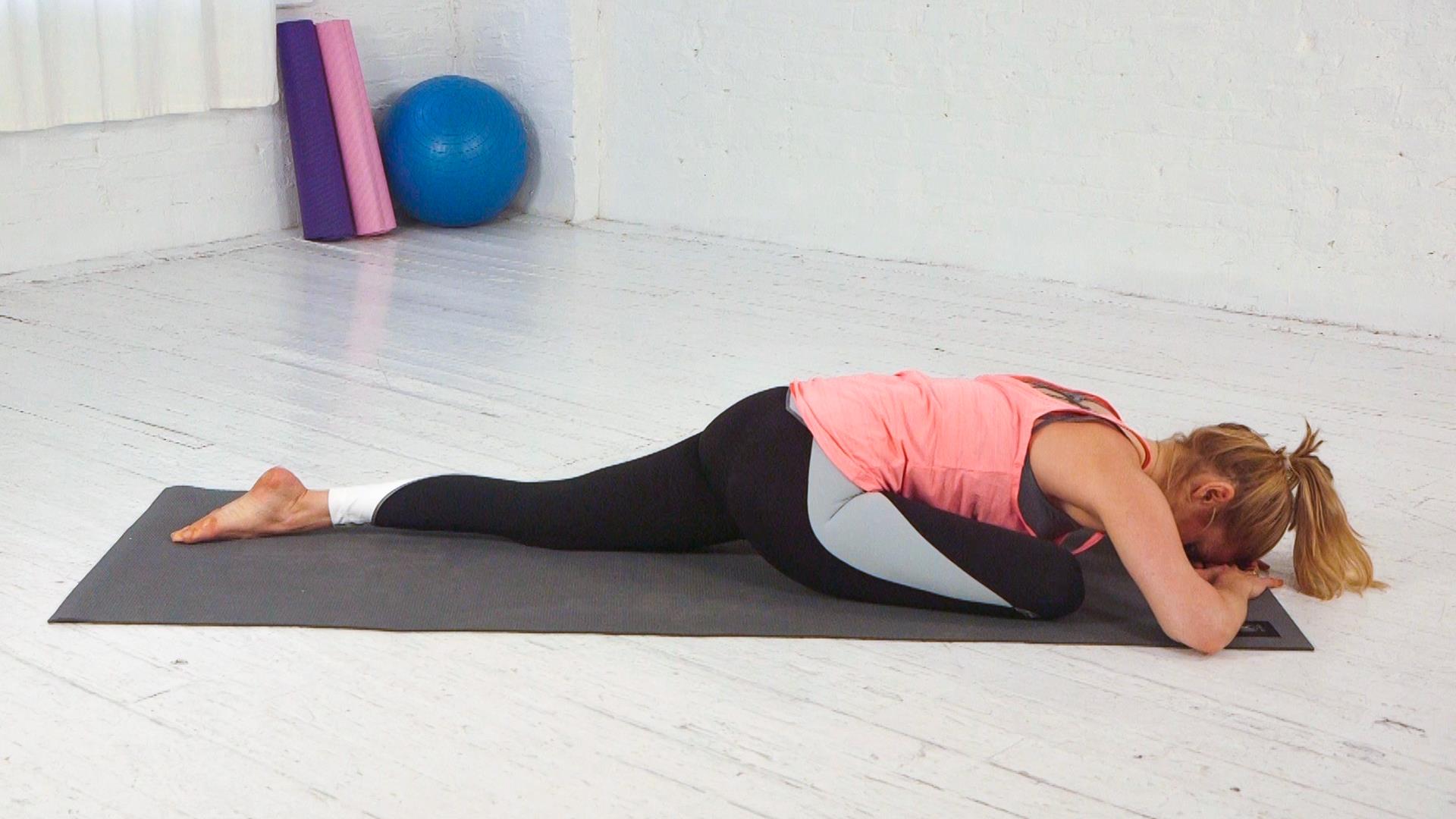 But fortunately, there are many ways to apply Pigeon Pose for newbies or those with much less mobility. Stay lively within the pose. 4. Option to remain as you are or rise to your fingertips and root your fingers down into the flooring to elongate your spine. 5. Option to stay as you might be or scoot your seat closer to your left ankle to intensify the sensations of the pose. Option to place props underneath your torso to help your weight or lower to your forearms or release your whole torso to the flooring. 3. Option to stay as you might be or raise your left foot off the floor. For Eka Pada Rajakapotasana IV, the palms and the rear foot are as for Rajakapotasana I, however the entrance foot is stretched straight forwards alongside the ground. The pose could also be practised utilizing props: the rear lower leg vertically up a wall, a yoga block underneath the sitting bones, another block if needed underneath the entrance leg, and a strap between the arms and the rear foot.
Starting from sitting in Dandasana (stick pose), one knee is bent, holding the knee on the floor, so the foot is simply in front of the groin, and the other leg is taken straight again. This reduces stress on the knee and helps you move safely into the pose. Instead, transfer your knee slightly exterior your shoulder. Cross one ankle over the alternative knee and gently move the lifted leg away from the body. In a traditional Sleeping Pigeon Pose, you want significant exterior rotation in your targeted hip joint, deep flexion in both hips and a stable knee and ankle joint to help the exterior rotation of the hip. Rajakapotasana is described as strongly hip-opening, each increasing the outward rotation of the femur within the hip joint of the entrance leg, and lengthening the hip-flexing psoas muscle of the rear leg. Pigeon or Salamba Kapotasana, the rear leg is straight out and the fingers are on the bottom beside the hips, reducing the backbend. In Eka Pada Rajakapotasana III, the fingers and the rear foot are as for Rajakapotasana I, but in line with Iyengar Yoga the front knee points forwards, with the entrance foot and lower leg on the bottom beneath the thigh.
If you adored this short article and you would like to receive additional information relating to Yoga Pigeon Pose kindly check out the web site.
- 이전글파워약국 혼자 참는 성교통, 위험한 이유 초기에 잡아야 하는 이유 — 우먼 피어리스로 관리하는 방법 26.06.08
- 다음글하나약국 비아그라 안내 정보 복용 방법 , 제품 정보 정리 26.06.08
댓글목록
등록된 댓글이 없습니다.