20 Myths About 30ft Shipping Container: Dispelled
페이지 정보

본문
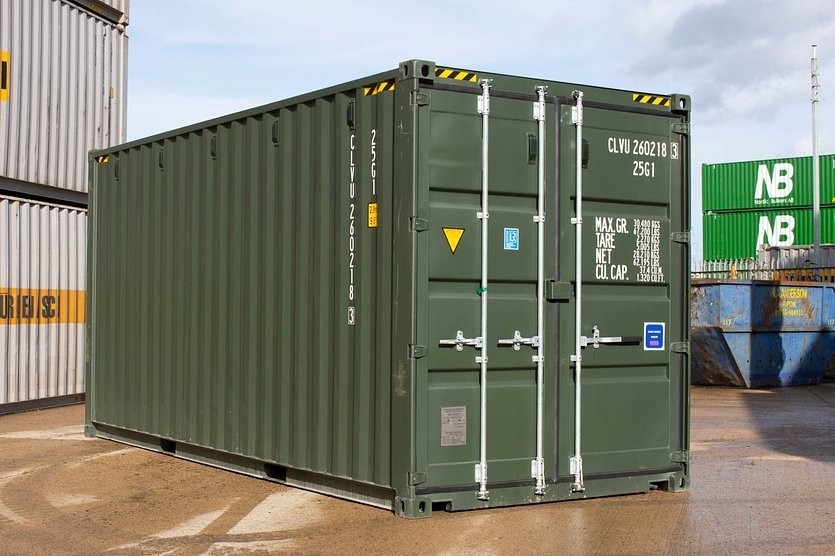
Understanding 30ft Shipping Containers: A Comprehensive Guide
Shipping containers have actually revolutionized the world of logistics and transport, providing a flexible solution for a wide variety of applications. Among the different sizes readily available, the 30ft shipping container stands out for its unique features and advantages. This post checks out the qualities, benefits, and usages of 30ft shipping containers, in addition to addressing typical concerns in the FAQ area.
Table of Contents
- Introduction to 30ft Shipping Containers
- Features of 30ft Shipping Containers
- Benefits of Using 30ft Shipping Containers
- Common Uses for 30ft Shipping Containers
- Comparison with Other Container Sizes
- Frequently Asked Questions (FAQs)
1. Intro to 30ft Shipping Containers
A 30ft shipping container is a flexible storage and transport option that bridges the space in between smaller sized 20ft containers and bigger 40ft containers. With a length of 30 Foot Container feet, these containers supply ample area while still being workable for transportation and storage. They are commonly made from durable products like steel, guaranteeing they can hold up against severe ecological conditions.
2. Functions of 30ft Shipping Containers
| Function | Description |
|---|---|
| Length | 30 Foot Storage Containers feet (9.14 meters) |
| Width | 8 feet (2.44 meters) |
| Height | 8.5 feet (2.59 meters) for basic containers |
| Weight | Approximately 2,300 kg (5,071 lbs) for empty units |
| Capacity | 1,700 to 2,200 cubic feet depending upon the design |
| Building and construction | Generally built from corten steel |
| Doors | Double doors on one end for simple access |
These specs make the 30ft container an appealing alternative for storage and transportation options throughout different sectors, from building to retail.
3. Benefits of Using 30ft Shipping Containers
- Ideal Space Utilization: The 30ft size strikes a balance between supplying enough space while not being extremely troublesome like larger containers.
- Adaptability: Suitable for numerous applications, consisting of storage, office, and even living quarters.
- Cost-Effective: Generally, 30ft containers are cheaper to acquire or lease than larger choices, lowering upfront expenses.
- Easy Transportation: Their size makes them much easier to transport compared to 40ft containers, particularly in urban settings or locations with limited gain access to.
- Durability: Made from strong products, they are resistant to climate condition, bugs, and potential deterioration.
- Modification: They can be easily customized to match particular needs, such as adding windows, insulation, or internal shelving.
4. Typical Uses for 30ft Shipping Containers
The flexibility of 30ft shipping containers allows their usage in a variety of sectors. Some typical applications consist of:
- Storage Solutions: Used to shop devices, tools, or inventory for businesses, construction websites, and individual belongings.
- Mobile Offices: Often converted into office, supplying a portable workplace on job websites.
- Retail Spaces: Used as pop-up stores or temporary retail locations due to their easy mobility.
- Residential Spaces: Modified to serve as small homes, guesthouses, or holiday rentals with appropriate insulation and facilities.
- Workshops: Converted into craft or woodworking shops, offering a dedicated work area outside the home.
- Disaster Relief: Utilized as temporary shelters or storage systems during emergency action circumstances.
5. Comparison with Other Container Sizes
Here's a relative overview of the most common shipping container sizes, including the 30ft option:
| Container Size | Length (ft) | Width (ft) | Height (ft) | Typical Use |
|---|---|---|---|---|
| 20ft | 20 | 8 | 8.5 | Small storage, transportation |
| 30ft | 30 Ft Container For Sale | 8 | 8.5 | Medium storage, mobile workplace |
| 40ft | 40 | 8 | 8.5 | Big storage, shipping long distances |
| 45ft | 45 | 8 | 9.5 | High-capacity shipping and storage |
This table highlights how the 30ft shipping container suits the more comprehensive context of readily available sizes and their respective applications.

6. Frequently Asked Questions (FAQs)
Q1: Are 30ft shipping containers easy to transport?A1: Yes, 30ft shipping containers are easier to transfer than larger containers. They can be loaded onto basic trucks without the requirement for specific devices for the most part. Q2: Can 30ft shipping containers be customized?A2: Absolutely! Many business use personalization options, consisting of insulation, windows, ventilation, and shelving, enabling you to customize the container to your specific requirements. Q3: How much does a 30ft shipping container cost?A3: The cost can differ substantially based on condition (brand-new or utilized), adjustments,and location. Typically, rates vary from ₤ 3,000
to ₤ 5,000 for utilized containers. Q4: Do I need a permit to place a shipping container on my property?A4: It depends on regional zoning laws and policies. Some areas may require permits or have limitations on container use. Contact regional authorities for specific guidelines. Q5: How can I preserve a 30ft shipping container?A5: Regular maintenance includes looking for rust, ensuring doors function properly, and keeping the container tidy and dry. It's also a good idea to periodically inspect for any damage.
In summary, 30ft shipping containers
are a flexible and cost-efficient service for different needs. Their mix of size, durability, and flexibility makes them a popular choice for individuals and organizations alike.
Whether for momentary storage, mobile workplaces, or unique home, these containers provide unlimited possibilities. As industry requirements progress, the demand for such versatile services will likely continue to grow, strengthening the 30ft container's place in the logistics and building landscape.
- 이전글시알리스 20mg과 질산염 계열 약물을 함께 쓰면 안 되는 이유, 40대 남성 관점에서 살펴보기 26.07.09
- 다음글비닉스와 비아그라 복용 편의성 비교 분석 26.07.09
댓글목록
등록된 댓글이 없습니다.